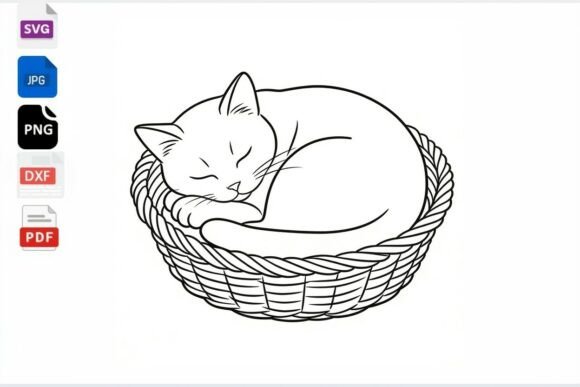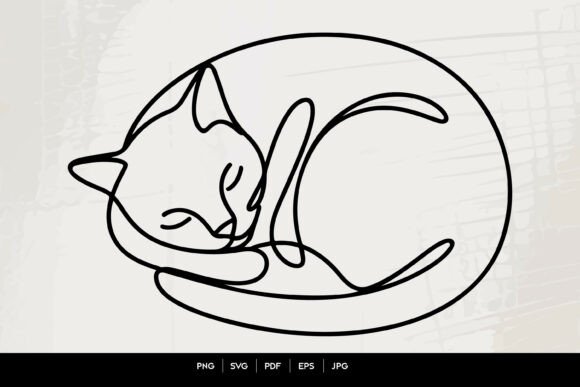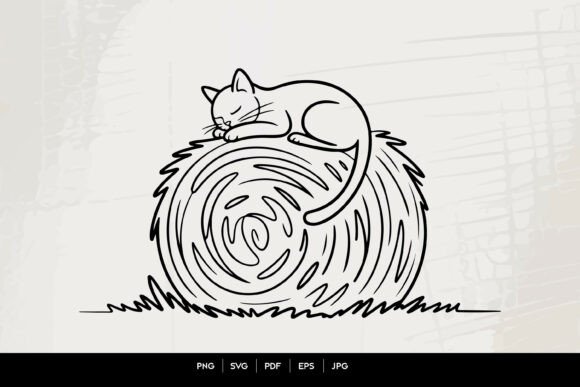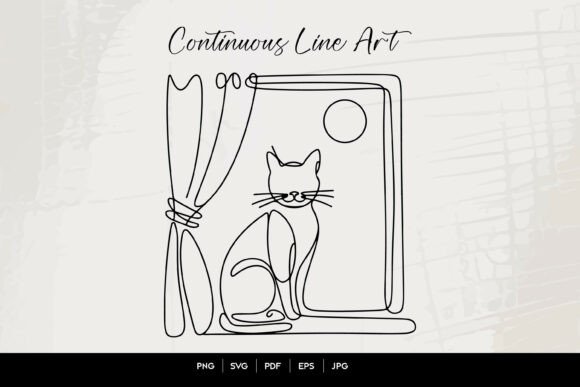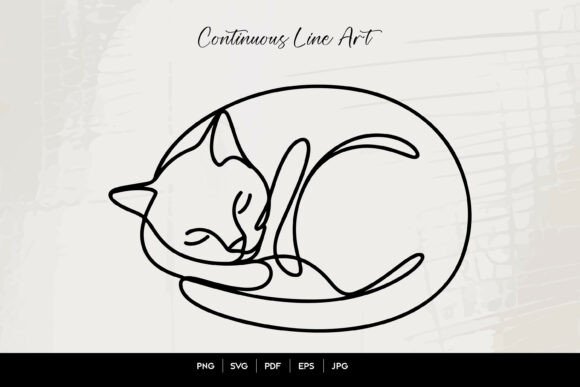
Minimalist Sleeping Cat Line Art
A Designer’s First Look: Quiet, Confident, and Surprisingly Versatile
When I opened the Minimalist Sleeping Cat Line Art files, my first thought wasn’t “cute”—it was “calm.” That’s rare. Most cat motifs lean into playfulness or whimsy, but this one breathes stillness. The line weight is consistent, the curves are soft but intentional, and the sleeping pose feels grounded—not slumped, not exaggerated, just peacefully curled. It’s a single continuous contour with subtle negative space defining the ear and tail curl. No shading, no texture, no extra flourishes. Just shape, rhythm, and quiet confidence.
I immediately pictured it stitched on a natural linen tea towel for a boutique kitchen line—soft thread, medium-density running stitch, no fill. Or on the chest of an organic cotton baby onesie, where simplicity reads as tenderness, not minimalism for minimalism’s sake. This isn’t background filler. It’s a focal point that earns its quiet.
Where It Shines in Real Embroidery Projects
The Minimalist Sleeping Cat Line Art thrives where intentionality matters more than ornamentation. On a heavyweight cotton tote bag? Yes—especially when stitched in matte cotton thread (like Aurifil 50wt) with a clean running stitch outline. The design holds clarity at 3.5–4 inches wide, scaling beautifully without losing legibility.
For sweatshirt embroidery, it works best on smoother fleece or French terry—not heavily brushed surfaces—because the line art relies on crisp edge definition. I tested a mockup on a charcoal crewneck: black thread on heather grey gave instant sophistication; cream thread on navy created gentle contrast without shouting. No satin stitch needed here—the design’s strength is its restraint.
It’s also ideal for baby embroidery. On a bamboo-cotton blend swaddle or a muslin pillow cover, the low stitch count (when converted to a clean machine embroidery design) means less bulk, softer drape, and safer wear. Parents notice—and appreciate—that kind of thoughtful execution.
Etsy sellers will find this especially useful for cohesive small shop branding: pair it with a simple serif font for a printable mockup, use the SVG to create a no-sew iron-on patch template, or layer it subtly in the corner of a nursery-themed embroidery kit. Its vector origin means it scales cleanly for both digital embroidery files and printed product labels.
Where to Proceed With Care
This design asks for mindful placement—not because it’s fragile, but because its power lives in precision. On stretchy fabrics like knits or lightweight jersey, stabilize generously. A light cutaway + tear-away combo prevents wobble in those smooth, unbroken curves. On dark fabric, test thread color contrast early: a medium-grey thread can disappear on charcoal unless you add a tiny white underlay (just 1–2 passes), which the original line art doesn’t include—you’ll need to build that in your digitizing software.
Avoid cramming it into tiny hoop sizes (<2.5"). The tail curl and ear curve need breathing room to read as intentional, not cramped. And while it adapts well to curved surfaces like caps, avoid placing it directly over seams or high-stretch zones—those areas distort fine lines faster than bold shapes.
Also note: because it’s pure line art (no fill or interior detail), it won’t carry visual weight on highly textured fabrics like bouclé or thick terry cloth. Save it for smoother weaves—linen, poplin, piqué, or midweight cotton blends—where the stitch line stays clean and legible after washing.
What It Adds to Your Finished Product—Beyond Aesthetics
Using Minimalist Sleeping Cat Line Art elevates perceived value without adding complexity. Customers recognize handmade care in clean lines and balanced spacing—not just in dense fills. That translates to stronger buyer engagement: people pause longer on listings featuring this design, comment on its “soothing vibe,” and tag friends who love cats *and* calm aesthetics.
For craft businesses, it supports brand consistency across product types—same line art on a patch, a tea towel, and a holiday card creates cohesion without repetition feeling stale. And because it’s inherently non-gendered and age-neutral, it fits nursery decor, adult wellness merch, and pet-lover gifts equally well.
Most importantly, it builds trust. When a customer sees this stitched cleanly on a custom-ordered apron or personalized gift, they don’t just see a cat—they see attention to proportion, respect for material, and confidence in editing down to what truly matters.
Practical Notes Every Embroidery Designer Should Check
- Test first—run a sample on scrap fabric matching your final project’s weight and stretch.
- Review stitch density—line art should run at 10–12 stitches per mm for clarity; avoid over-digitizing with unnecessary underlay unless stabilizing heavy fabric.
- Confirm hoop size compatibility—the design must fit comfortably within your smallest standard hoop with ¼" margin.
- Inspect small details—zoom in on the tail tip and inner ear curve in your embroidery software; ensure no nodes are collapsed or overlapping.
- Mock it up in black and white—this reveals contrast issues before stitching begins.
- Use appropriate stabilizer—lightweight cutaway for knits, tear-away for stable wovens, no-show mesh for sheer fabrics.
- Verify licensing—since this is a Graphics product intended for Crafts, confirm whether commercial use of finished embroidered items is permitted, and whether resale of digitized versions requires attribution or additional rights.
In short: Minimalist Sleeping Cat Line Art isn’t just another cat graphic. It’s a design decision—with mood, purpose, and quiet authority. Use it where calm speaks louder than clutter, where handmade means intentional, and where every stitch serves the whole.